
 Photo coming soon
AHKCU
Shipping and payment
Chemistry & specifications
Reference data from public databases. For research use only.
| CAS Number | 682809-81-0 |
|---|---|
| Molecular Formula | C15H24ClCuN6O4 |
| Molecular Weight | 451.39 g/mol |
| Residue Count | 3 |
| Sequence (1-letter) | AHK |
| PubChem CID | 168431292 → |
Common questions
What pack sizes and strengths are available for AHKCU?
AHKCU is offered as a 2-vial kit, a single vial, or a 10-vial box. Available strengths: 50 mg and 100 mg per vial. Every vial in a kit or box is the strength you select. The price per vial for each pack is shown under the price.
How quickly does AHKCU ship?
AHKCU is prepared to order, so it is dispatched within 7 business days of your order. Carrier transit then takes up to 3 business days within the contiguous United States. Standard shipping is a $18.99 flat rate and free on orders over $200.
How should AHKCU be stored?
Lyophilized (freeze-dried) vials tolerate normal shipping at room temperature. On arrival, keep them sealed, dry and away from light: a refrigerator at about 4 °C for the short term, or −20 °C or colder for long-term storage. Let a cold vial reach room temperature before opening it so moisture does not condense on the powder.
How do I work out the concentration after reconstitution?
Concentration in mg/mL equals the vial amount in mg divided by the mL of solvent added. Our free reconstitution calculator also shows the mg held at each 0.1 mL mark.
Is AHKCU for human use?
No. AHKCU is sold strictly for laboratory research use. It is not a drug, food, dietary supplement, or cosmetic, has not been evaluated by the FDA, and is not for human or veterinary use. Purchasers must be 21 or older.
Related research compounds
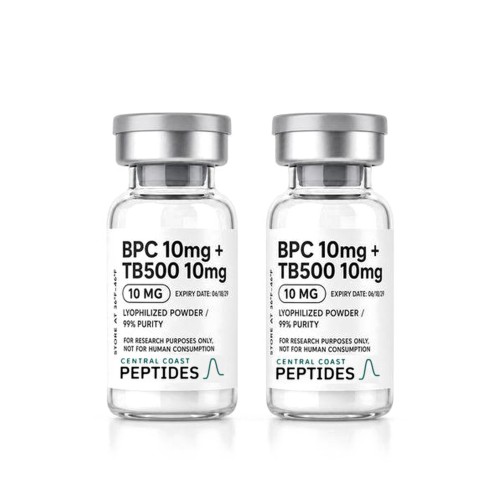
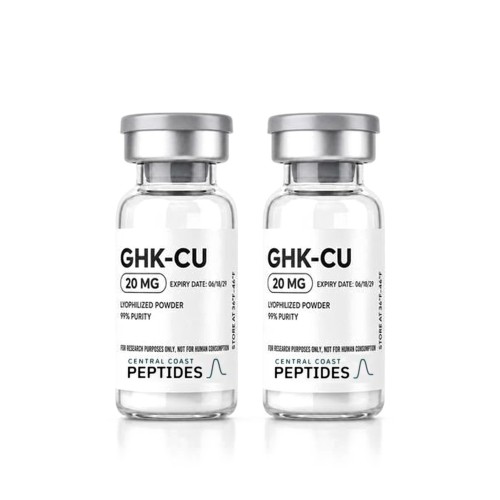
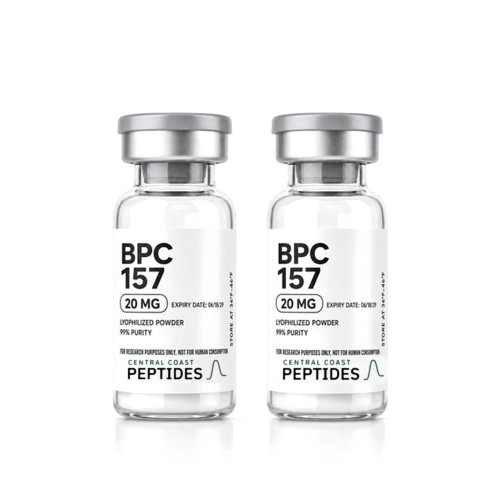
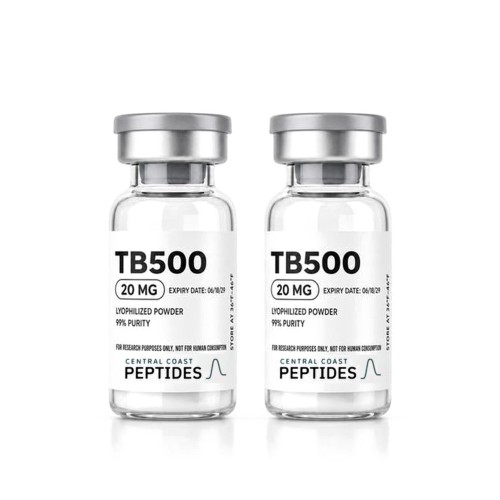
Research background
Chemistry, identity, and a summary of the peer-reviewed literature on AHK-CU.
Read the AHK-CU research background → Reconstitution calculator →Peer-reviewed research
Every research claim on this page traces to one of the 1 publication below.
- The effect of tripeptide-copper complex on human hair growth in vitroArch Pharm Res (2007)View publication →